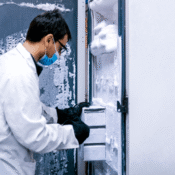


High-risk environments across Saudi Arabia—such as pharmaceutical warehouses, vaccine storage units, cold rooms, logistics hubs, and data centers—require strict temperature control to protect sensitive products and critical equipment. Given the country’s extreme climate conditions, relying on traditional monitoring methods is no longer sufficient. An advanced temperature mapping study, enhanced with artificial intelligence (AI), provides deeper insights that help facilities identify risks, improve efficiency, and maintain compliance.
At Eximia360 (www.Eximia360.com), we provide professional temperature mapping study services across Saudi Arabia, Jeddah, Dammam, and Riyadh, using AI-powered tools to convert environmental data into meaningful, actionable intelligence. Below are four key AI-driven insights revealed through modern temperature mapping studies in high-risk Saudi environments.
1. Identification of Hidden High-Risk Temperature Zones
One of the most important insights gained from an AI-based temperature mapping study is the detection of hidden temperature risk zones. In large or complex facilities, uneven airflow, structural barriers, and equipment heat loads can create hot and cold spots that standard monitoring may overlook.
AI analyzes data collected during the temperature mapping study to recognize subtle temperature variations across vertical and horizontal spaces. In high-risk environments in Riyadh and Dammam, these insights help identify critical zones near ceilings, storage racks, loading docks, and external walls—areas where temperature fluctuations can threaten product integrity. Early identification allows facility managers to implement corrective actions before issues escalate.

2. Predictive Risk Insights Based on Operational and Seasonal Patterns
Unlike conventional approaches that provide a snapshot, AI-enhanced temperature mapping study solutions deliver predictive insights. By analyzing historical data alongside real-time inputs, AI identifies patterns related to operational schedules, seasonal climate changes, and equipment performance.
For example, in Jeddah’s humid coastal environment, AI can forecast temperature deviations caused by increased moisture levels or peak activity periods. These predictive insights enable proactive temperature control strategies, reducing the likelihood of product loss and operational disruptions across Saudi facilities.
3. Optimization of Cooling Performance and Energy Efficiency
High-risk facilities often rely on aggressive cooling strategies to avoid temperature excursions. However, this can lead to excessive energy consumption and uneven cooling. AI-driven temperature mapping study insights help optimize cooling systems without compromising stability.
By analyzing the temperature mapping study data, AI identifies overcooled and undercooled areas within the facility. This allows HVAC systems to be fine-tuned for balanced airflow and precise temperature distribution. Facilities across Saudi Arabia, Jeddah, Dammam, and Riyadh benefit from improved energy efficiency, reduced operational costs, and enhanced sustainability.
4. Intelligent Compliance and Audit Readiness
Regulatory compliance is a critical requirement in high-risk industries such as pharmaceuticals and food storage. AI-powered temperature mapping study platforms generate structured, data-backed insights that simplify compliance and audit preparation.
AI automatically highlights deviations, corrective actions, and long-term trends identified during the temperature mapping study. This results in detailed, audit-ready reports that demonstrate control, consistency, and traceability. For organizations operating across multiple Saudi cities, this level of standardization significantly reduces compliance risk.
Why AI Matters for Temperature Mapping in Saudi Environments
Saudi Arabia’s combination of extreme heat, regional humidity differences, and large-scale facilities presents unique challenges. A standard temperature mapping study may identify surface-level issues, but AI-driven analysis delivers deeper, more reliable insights. It transforms raw temperature data into predictive intelligence that supports better decision-making.
Eximia360: Delivering Intelligent Temperature Mapping Solutions
At Eximia360 (www.Eximia360.com), we specialize in AI-enhanced temperature mapping study solutions tailored for high-risk environments. Our services across Saudi Arabia, Jeddah, Dammam, and Riyadh include:
- AI-based sensor placement and data analysis
- Continuous monitoring and predictive risk assessment
- Microclimate identification and environmental optimization
- Energy efficiency and HVAC performance insights
- Compliance-ready temperature mapping study reports
Conclusion
AI-driven insights from temperature mapping studies are redefining environmental control in high-risk Saudi facilities. From uncovering hidden temperature risks and predicting future deviations to optimizing energy use and strengthening compliance, AI ensures accuracy and resilience. By partnering with Eximia360, organizations across Saudi Arabia, Jeddah, Dammam, and Riyadh can confidently protect sensitive products and maintain operational excellence through intelligent temperature mapping.