

As industries across Saudi Arabia face rising temperatures, strict regulatory expectations, and complex storage environments, temperature mapping studies have become essential for maintaining product integrity and compliance. With the integration of Artificial Intelligence (AI), temperature mapping studies are no longer limited to static measurements—they now deliver predictive, data-driven insights. AI enhances accuracy by continuously analyzing multiple environmental and operational parameters that influence temperature behavior inside facilities.
In regions such as Riyadh, Jeddah, and Dammam, where climate extremes and humidity variations are common, AI-powered temperature mapping studies provide a smarter and more reliable approach. Below are nine key parameters AI analyzes during temperature mapping studies in Saudi Arabia to ensure precision, compliance, and long-term operational stability.
1. Spatial Temperature Distribution
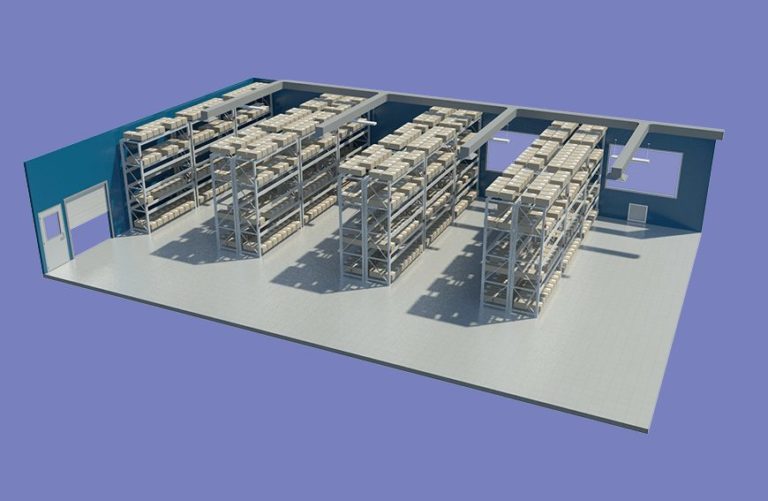
One of the primary parameters analyzed in any temperature mapping study is how temperature varies across different zones within a facility. AI evaluates data from multiple sensors to identify hot spots, cold spots, and uneven temperature zones that may not be visible through traditional mapping. This is especially critical in large warehouses and cold rooms across Saudi Arabia.
2. Temporal Temperature Fluctuations
AI closely analyzes how temperature changes over time during a temperature mapping study. This includes daily cycles, peak operational hours, and night-time conditions. In cities like Riyadh, where daytime and nighttime temperatures differ significantly, understanding temporal patterns is vital for maintaining stability.
3. Airflow and Circulation Patterns
Air movement directly affects temperature consistency. AI systems assess airflow behavior during temperature mapping studies by correlating temperature changes with HVAC operation, fan positioning, and structural layout. Poor airflow is often a root cause of temperature deviations in facilities across Jeddah and Dammam.
4. Sensor Performance and Calibration Stability
AI evaluates sensor accuracy throughout the temperature mapping study. It detects drifting sensors, inconsistent readings, or calibration deviations. This ensures the integrity of collected data and reduces the risk of compliance failures caused by faulty instrumentation.
5. External Environmental Influence
Saudi facilities are highly influenced by external climate conditions such as extreme heat, humidity, and solar load. AI analyzes how external temperatures impact internal environments during a temperature mapping study, particularly near loading docks, doors, walls, and roofs.
6. Equipment Heat Load
Machinery, lighting, refrigeration units, and IT equipment generate heat. AI assesses how internal equipment contributes to temperature variations identified during temperature mapping studies. This insight is crucial for pharmaceutical storage, data centers, and logistics hubs operating in Saudi Arabia.
7. Operational Activity Levels
Human movement, door openings, loading cycles, and shift changes affect temperature stability. AI analyzes operational behavior patterns during temperature mapping studies to identify risk periods where temperature excursions are most likely to occur.
8. Seasonal and Climate Trends
AI uses historical data from multiple temperature mapping studies to understand seasonal trends. In Saudi Arabia, summer conditions pose the highest risk. AI models help facilities anticipate seasonal challenges and adjust HVAC strategies proactively.
9. Compliance Threshold Deviations
AI continuously compares real-time data against predefined compliance limits during temperature mapping studies. Even minor deviations are detected early, allowing corrective actions before they escalate into audit findings or product losses.
AI-Driven Temperature Mapping Across Saudi Arabia
At Eximia360, we specialize in advanced temperature mapping studies enhanced by AI-driven analytics. Our solutions are designed to meet the demanding environmental and regulatory conditions of the Kingdom. We provide professional temperature mapping services across Saudi Arabia, Jeddah, Dammam, and Riyadh, helping facilities maintain compliance, optimize performance, and reduce operational risks.
Conclusion
AI has transformed how temperature mapping studies are conducted in Saudi Arabia. By analyzing spatial, temporal, operational, and environmental parameters, AI enables deeper insights, faster decision-making, and continuous compliance. As facilities grow larger and regulations become stricter, AI-powered temperature mapping studies are no longer optional—they are essential for sustainable and reliable operations.
To learn more about professional temperature mapping studies powered by AI, visit
www.Eximia360.com