Vaccine storage plays a critical role in protecting public health, especially in countries that host large international gatherings. In Saudi Arabia, the annual pilgrimages of Hajj and Umrah bring millions of visitors from around the world. During these peak periods, healthcare systems must manage massive vaccine distribution and storage operations. Ensuring that vaccines remain within strict temperature ranges is essential, which is why a comprehensive temperature mapping study and thermal validation process become extremely important for vaccine storage units.
Vaccines are highly temperature-sensitive biological products. Even small fluctuations outside the recommended temperature range can reduce their effectiveness or render them unusable. During the busy Hajj and Umrah seasons, vaccine storage units in hospitals, clinics, and distribution centers operate at maximum capacity. Conducting a detailed temperature mapping study helps ensure that storage units maintain consistent and safe conditions even during high-demand periods.

A temperature mapping study is a systematic process used to measure temperature distribution within controlled storage environments. For vaccine refrigerators, freezers, and cold rooms, the temperature mapping study identifies temperature variations across different storage zones. This is especially important during supply peaks when storage units are frequently opened, loaded, and monitored.
In major healthcare and logistics hubs such as Jeddah, Riyadh, and Dammam, vaccine storage facilities must operate efficiently to support large-scale immunization programs during the pilgrimage seasons. A professional temperature mapping study ensures that these facilities maintain uniform temperature distribution, protecting vaccine potency throughout the storage period.
One of the main challenges during Hajj and Umrah seasons is the increased operational activity in vaccine storage units. Doors are opened more frequently as healthcare staff retrieve vaccines for immunization campaigns. Each time a door opens, warm external air can enter the storage unit, causing temporary temperature fluctuations. A temperature mapping study records these variations and helps identify whether the storage system can quickly stabilize temperatures after such disturbances.
Another critical factor analyzed during a temperature mapping study is the effect of storage capacity. During supply peaks, vaccine refrigerators and cold rooms are often filled close to maximum capacity. Overloading storage units can obstruct airflow, causing uneven temperature distribution. Through a detailed temperature mapping study, technicians place calibrated data loggers at multiple locations within the storage unit to capture accurate temperature readings across all zones.
Environmental conditions in Saudi Arabia also play a significant role in vaccine storage stability. With extremely high external temperatures during certain months, refrigeration systems must work harder to maintain safe internal conditions. A temperature mapping study helps determine whether vaccine storage equipment can maintain the required temperature range despite the intense heat outside the facility.
Thermal validation through a temperature mapping study also helps healthcare organizations comply with global regulatory standards such as Good Distribution Practices (GDP) and World Health Organization (WHO) vaccine storage guidelines. These regulations require documented proof that storage equipment consistently maintains the recommended temperature range. A validated temperature mapping study provides the scientific data needed to demonstrate compliance.
Another advantage of performing a temperature mapping study is identifying potential risk areas inside vaccine storage units. For example, locations near doors, cooling vents, or upper shelves may experience different temperature patterns compared to central zones. By identifying these variations, facility managers can optimize vaccine placement and improve storage efficiency.
During large-scale healthcare operations like Hajj and Umrah vaccination programs, reliable environmental monitoring is essential. Continuous monitoring supported by a comprehensive temperature mapping study ensures that vaccines remain safe and effective from storage to administration. Without proper thermal validation, there is a risk of compromising vaccine integrity, which could affect public health outcomes.
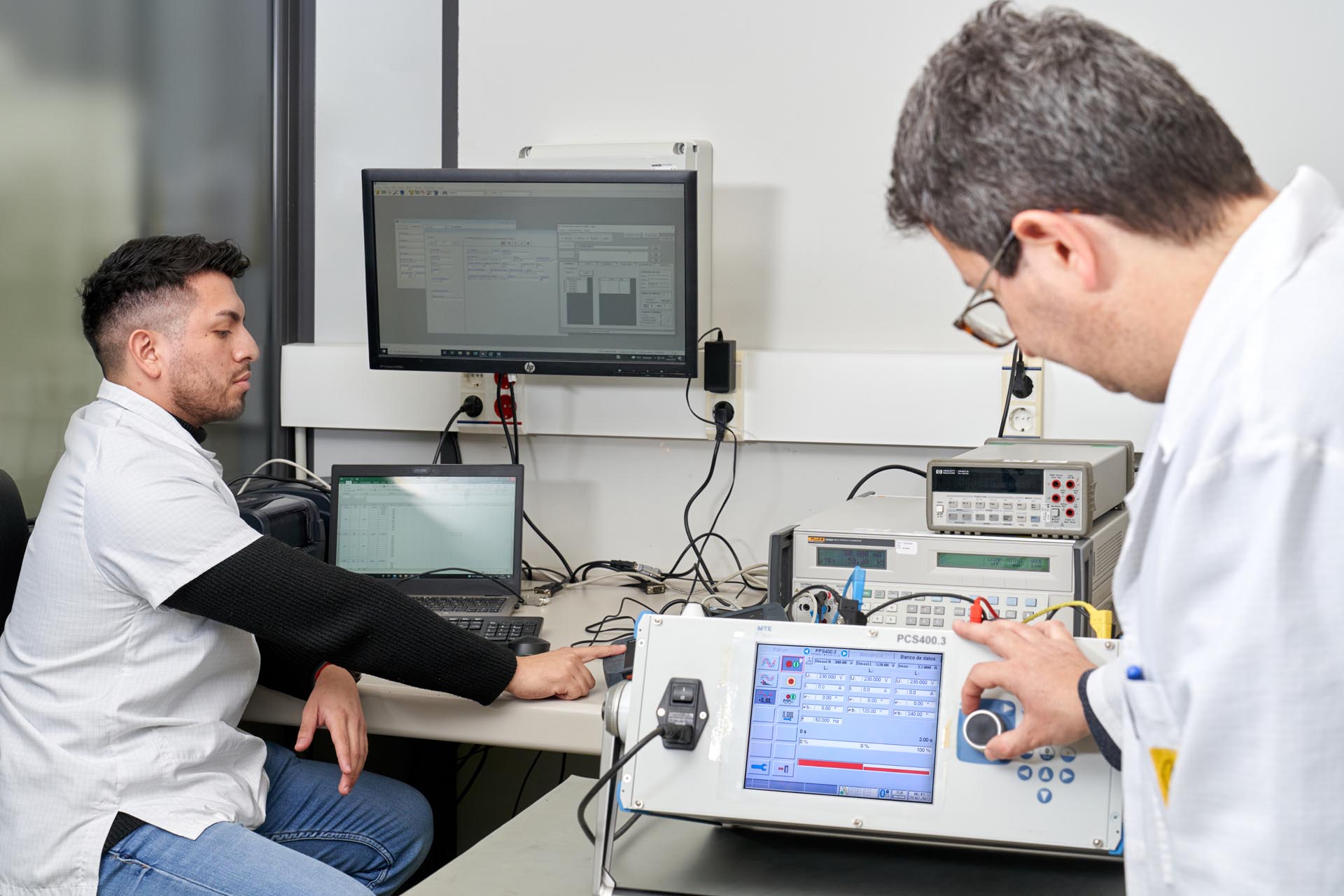
At Eximia360, we specialize in advanced temperature mapping study services for pharmaceutical storage units, vaccine refrigerators, cold rooms, and healthcare facilities. Our expert team conducts detailed temperature mapping studies using high-precision calibrated sensors and internationally recognized validation methodologies. Each temperature mapping study includes strategic sensor placement, continuous monitoring, detailed data analysis, and comprehensive reporting.
Our professional temperature mapping study services are available across major healthcare and logistics centers in Saudi Arabia, including Jeddah, Dammam, and Riyadh. By performing accurate thermal validation studies, Eximia360 helps healthcare providers maintain reliable storage conditions for vaccines and other temperature-sensitive medical products.
As global travel continues to increase and large religious gatherings attract millions of pilgrims each year, ensuring vaccine safety becomes more critical than ever. A professionally conducted temperature mapping study plays a key role in protecting vaccine integrity, supporting public health initiatives, and maintaining regulatory compliance.
To learn more about professional temperature mapping study services for vaccine storage facilities across Saudi Arabia, Jeddah, Dammam, and Riyadh, visit www.Eximia360.com and discover how Eximia360 helps organizations maintain reliable temperature-controlled environments through advanced temperature mapping studies.