
Maintaining drug stability is one of the most critical responsibilities in pharmaceutical storage and distribution. In pharmacies across Saudi Arabia, where environmental conditions can be extreme, ensuring that medications remain within their specified temperature ranges is essential for patient safety and regulatory compliance. This is where a comprehensive temperature mapping study becomes a vital tool in modern pharmacy operations.
A temperature mapping study is a scientific method used to measure and evaluate temperature distribution within a storage environment over a defined period. In pharmacies, this includes refrigerators, storage rooms, and display areas where medicines are kept. By conducting a temperature mapping study, pharmacy operators can verify that all areas maintain consistent temperature conditions required for drug stability.
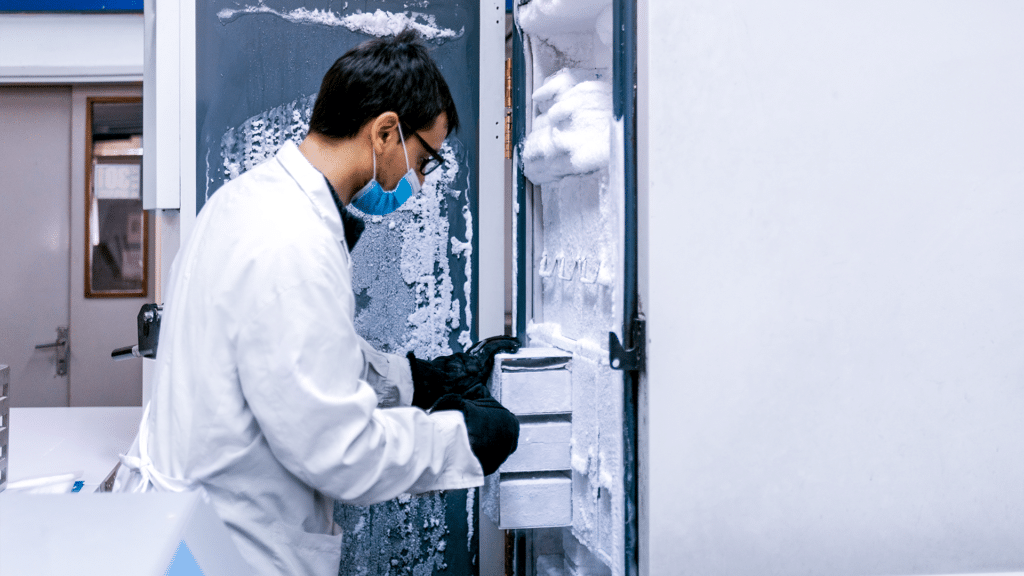
Many pharmaceutical products are highly sensitive to temperature variations. Even slight deviations from recommended storage conditions can reduce drug potency, alter chemical composition, or render medications ineffective. A detailed temperature mapping study helps identify any fluctuations or inconsistencies that may compromise drug quality, ensuring that patients receive safe and effective treatments.
In cities such as Riyadh, Jeddah, and Dammam, pharmacies operate under challenging environmental conditions, especially during the hot summer months. High ambient temperatures can significantly impact indoor storage environments, particularly if cooling systems are not optimized. A professional temperature mapping study evaluates how external conditions influence internal pharmacy storage areas and highlights potential risks.
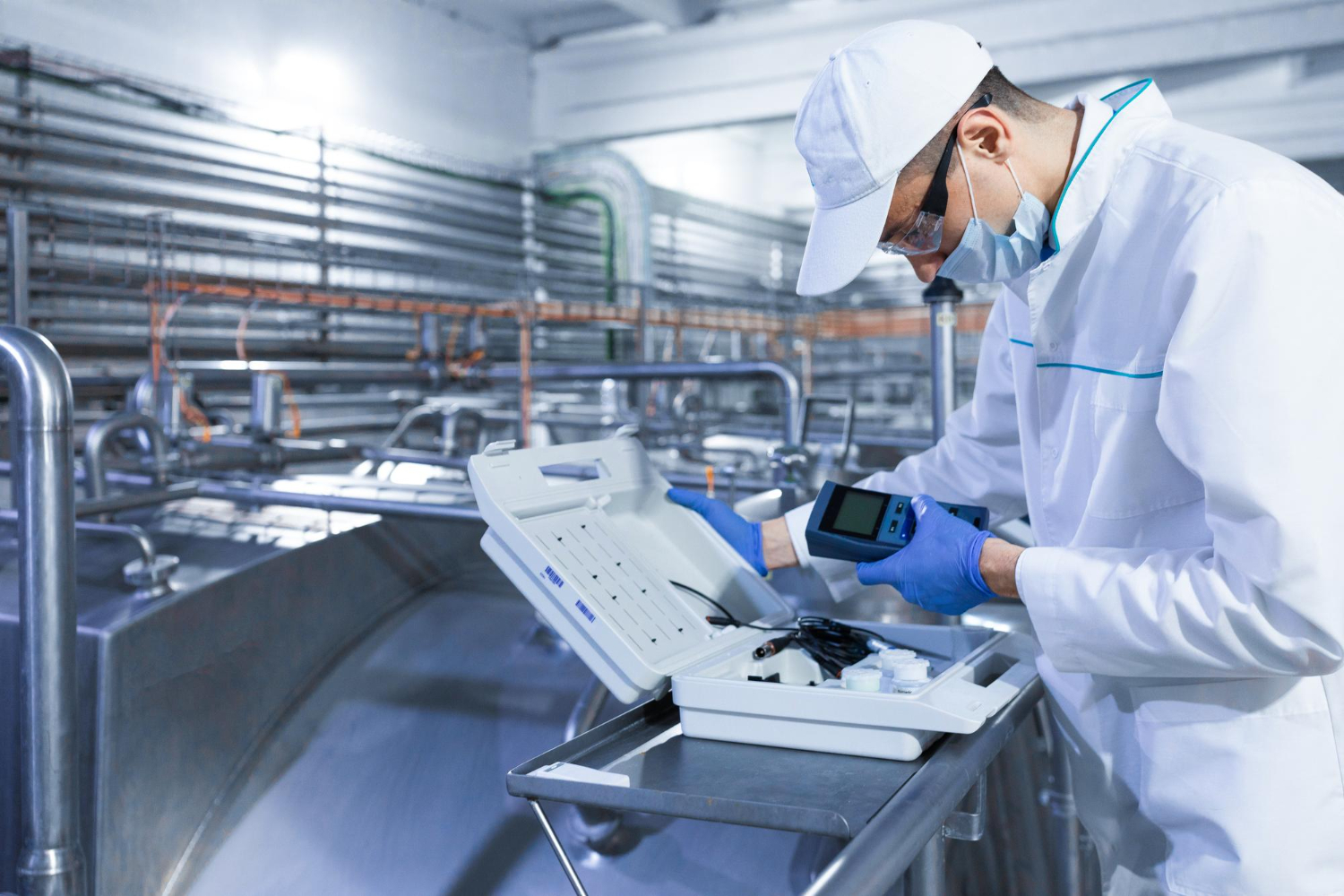
One of the primary benefits of a temperature mapping study is identifying temperature variations within pharmacy storage units. Refrigerators and storage shelves may not maintain uniform temperatures throughout. Factors such as airflow patterns, door openings, equipment performance, and storage arrangement can create hot or cold spots. A temperature mapping study uses calibrated data loggers placed strategically across different locations to capture accurate temperature readings over time.
Another key advantage of a temperature mapping study is assessing temperature stability during daily operations. Pharmacies experience frequent access to storage units as staff dispense medications throughout the day. Each time a refrigerator door is opened, there is a possibility of temperature fluctuation. A temperature mapping study monitors these changes and determines how quickly the system stabilizes, ensuring that drug storage conditions remain within acceptable limits.
Regulatory compliance is a major driver for implementing a temperature mapping study in pharmacies. Health authorities and international guidelines such as Good Distribution Practices (GDP) require documented evidence that pharmaceutical products are stored under proper conditions. A validated temperature mapping study provides detailed reports that demonstrate compliance during audits and inspections.
Additionally, a temperature mapping study supports better inventory management and storage practices. By identifying the most stable temperature zones within storage units, pharmacists can strategically place sensitive medications in areas that offer maximum protection. This reduces the risk of product loss and enhances overall storage efficiency.
Energy efficiency is another benefit achieved through a temperature mapping study. By identifying areas where cooling systems may be overworking or underperforming, pharmacies can optimize HVAC and refrigeration systems. This not only ensures consistent temperature control but also reduces energy consumption and operational costs.
Across Saudi Arabia, the importance of temperature mapping studies is growing as pharmacies strive to maintain high standards of quality and safety. In key cities such as Jeddah, Riyadh, and Dammam, pharmacies are increasingly adopting temperature mapping study practices to ensure reliable storage conditions.
At Eximia360, we specialize in providing professional temperature mapping study services for pharmacies, pharmaceutical storage units, cold rooms, and healthcare facilities. Our expert team uses advanced calibrated sensors and internationally recognized methodologies to conduct precise temperature mapping studies.
Each temperature mapping study conducted by Eximia360 includes strategic sensor placement, continuous temperature monitoring, in-depth data analysis, and comprehensive reporting. Our solutions are designed to help pharmacies maintain drug stability, ensure compliance, and improve operational efficiency.
We proudly offer our temperature mapping study services across Saudi Arabia, including major cities such as Jeddah, Riyadh, and Dammam. Our tailored approach ensures that each pharmacy receives a customized solution that meets its specific storage requirements.
As the pharmaceutical sector continues to expand, maintaining drug stability remains a top priority. A well-executed temperature mapping study provides the assurance that medications are stored under optimal conditions, protecting both patient health and business integrity.
To learn more about professional temperature mapping study services for pharmacies in Saudi Arabia, Jeddah, Dammam, and Riyadh, visit www.Eximia360.com and discover how Eximia360 helps ensure reliable environmental control through advanced temperature mapping studies.