
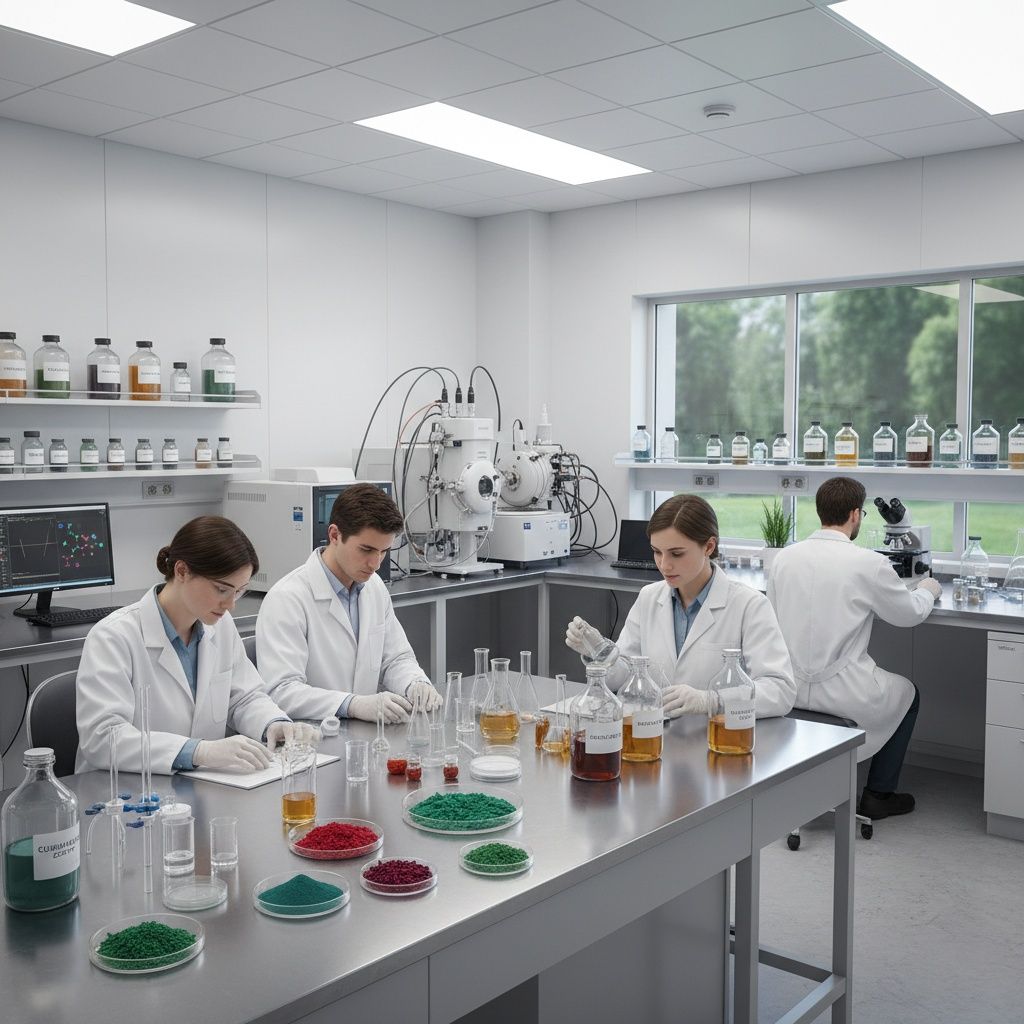
Clinical trials are a cornerstone of modern medical advancement, requiring strict control over every aspect of the research process—especially the storage of investigational products. In rapidly growing research hubs like Jeddah, maintaining precise storage conditions is essential to ensure the safety, efficacy, and integrity of clinical trial materials. This is where a comprehensive temperature mapping study plays a critical role.
A temperature mapping study is a scientific process used to evaluate temperature distribution within a controlled storage environment over a defined period. In clinical trial storage, this includes refrigerators, freezers, and controlled room temperature (CRT) storage areas where investigational medicinal products (IMPs) are kept. Conducting a detailed temperature mapping study ensures that these storage units maintain consistent and compliant temperature conditions.
Clinical trial materials are often highly sensitive to temperature variations. Even minor deviations can compromise the stability of investigational drugs, leading to inaccurate trial results or potential risks to participants. A thorough temperature mapping study helps identify temperature fluctuations and ensures that storage environments remain within specified limits throughout the trial duration.
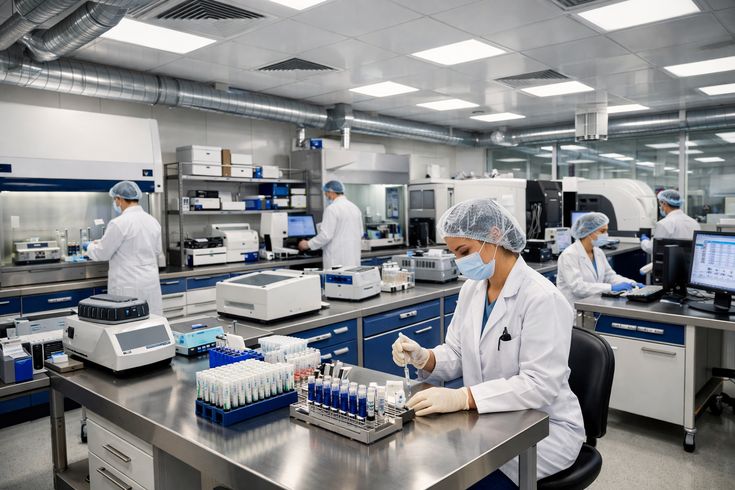
In Saudi Arabia, environmental conditions pose significant challenges for clinical trial storage. Cities such as Jeddah experience high temperatures and humidity, especially in coastal areas. These external factors can impact internal storage conditions if not properly managed. A professional temperature mapping study evaluates how these environmental influences affect storage units and highlights areas that require improved control.
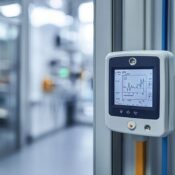
During a temperature mapping study, calibrated data loggers are strategically placed throughout the storage area. These sensors are positioned at critical points such as near doors, shelves, corners, and air vents to capture detailed temperature data across different zones. By continuously monitoring temperature, the temperature mapping study provides a comprehensive understanding of how the storage environment performs under real operational conditions.
One of the key objectives of a temperature mapping study is to identify temperature uniformity within storage units. Uneven airflow, equipment placement, and storage density can create temperature variations, leading to hot or cold spots. A well-executed temperature mapping study detects these inconsistencies and enables facility managers to take corrective actions.
Another important aspect of a temperature mapping study is evaluating temperature stability during routine operations. In clinical trial facilities, storage units are frequently accessed by staff, causing potential temperature fluctuations. The temperature mapping study records these variations and assesses how quickly the system returns to the required temperature range after disturbances.
Regulatory compliance is a major factor driving the need for a temperature mapping study in clinical trial storage. International guidelines such as Good Clinical Practice (GCP) and Good Distribution Practice (GDP) require documented evidence that investigational products are stored under controlled conditions. A validated temperature mapping study provides the necessary documentation for audits and regulatory inspections.
Additionally, a temperature mapping study supports risk management by identifying vulnerable areas within storage environments. By understanding where temperature deviations are most likely to occur, clinical trial managers can optimize storage layouts, improve airflow, and implement better monitoring systems.
In major research and healthcare centers such as Riyadh and Dammam, the demand for reliable clinical trial storage solutions is increasing. Across these regions, organizations are adopting advanced temperature mapping study practices to ensure consistent storage conditions and protect valuable research materials.
At Eximia360, we specialize in providing professional temperature mapping study services for clinical trial storage facilities, pharmaceutical environments, cold rooms, and healthcare centers. Our expert team uses high-precision calibrated sensors and internationally recognized methodologies to conduct accurate and reliable temperature mapping studies.
Each temperature mapping study conducted by Eximia360 includes strategic sensor placement, continuous monitoring, detailed data analysis, and comprehensive reporting. Our reports provide actionable insights that help organizations maintain compliance, improve storage performance, and safeguard clinical trial materials.
We proudly offer our temperature mapping study services across Saudi Arabia, including key cities such as Jeddah, Riyadh, and Dammam. Our tailored solutions are designed to meet the specific requirements of clinical research environments.
As clinical research continues to expand in Saudi Arabia, ensuring the proper storage of investigational products is more important than ever. A well-executed temperature mapping study provides the assurance that clinical trial materials are stored under optimal conditions, supporting reliable research outcomes and patient safety.
To learn more about professional temperature mapping study services for clinical trial storage in Saudi Arabia, Jeddah, Dammam, and Riyadh, visit www.Eximia360.com and discover how Eximia360 helps organizations achieve precise environmental control through advanced temperature mapping studies.