
In coastal cities like Dammam, storage facilities face a unique environmental challenge: managing both temperature and humidity simultaneously. While many organizations prioritize temperature control alone, the reality is that humidity can be equally damaging—especially in pharmaceutical, food, electronics, and chemical storage environments. This is why a comprehensive temperature mapping study, combined with humidity assessment, has become essential for modern warehouses.
Dammam’s coastal climate is characterized by high humidity levels, saline air, and extreme summer heat. During peak months, external temperatures can exceed 45°C, while relative humidity may rise above 80%. In such conditions, relying on a basic monitoring system is insufficient. A professional temperature mapping study evaluates not just thermal distribution but also how moisture interacts with internal air circulation systems.
A temperature mapping study conducted in Dammam must consider the dual impact of heat and moisture. While elevated temperatures can degrade product stability, excessive humidity can cause condensation, packaging damage, corrosion, and microbial growth. In pharmaceutical storage, even minor deviations identified during a temperature mapping study may indicate compliance risks under Good Distribution Practices (GDP).
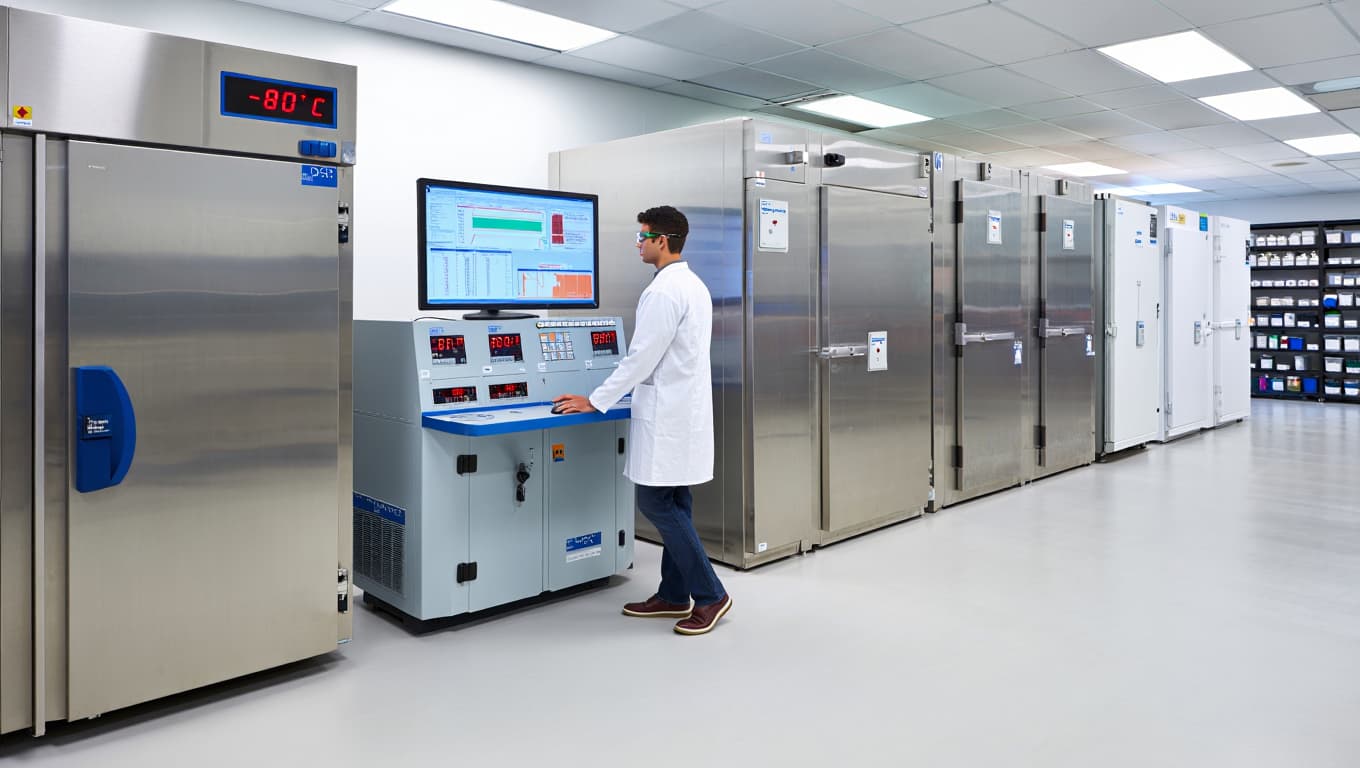
Unlike inland cities, coastal warehouses experience moisture infiltration through loading docks, door openings, and structural gaps. A properly executed temperature mapping study strategically places calibrated data loggers across multiple zones—near entrances, corners, shelving heights, HVAC vents, and high-risk microclimate areas. These devices record both temperature and relative humidity over a defined period, typically 7 to 14 days.
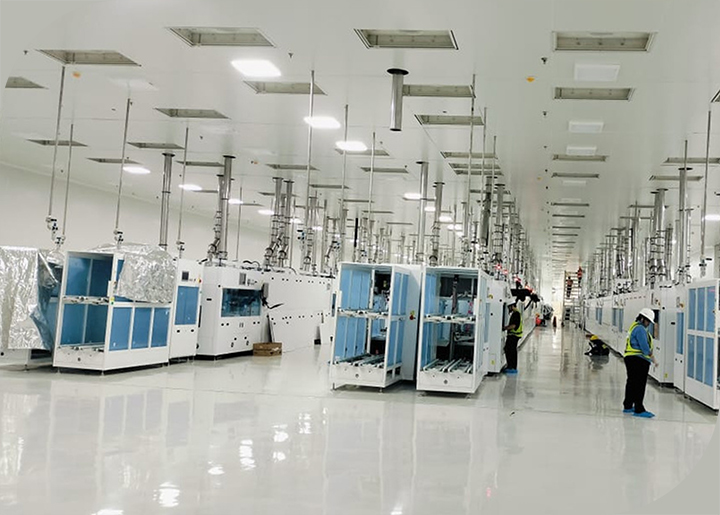
One of the key findings in many Dammam facilities is uneven humidity distribution. A temperature mapping study often reveals that humidity levels are higher near external walls or poorly ventilated zones. Without identifying these pockets, sensitive goods such as vaccines, cosmetics, and electronics may deteriorate silently. Therefore, every temperature mapping study in coastal environments must integrate dual parameter monitoring.
The relationship between temperature and humidity is interconnected. Warm air holds more moisture, and when cooling systems activate, condensation may occur if airflow is not properly balanced. A temperature mapping study captures these fluctuations during daily operational cycles, including peak heat hours and nighttime cooling phases. This data enables facility managers to adjust HVAC calibration, dehumidification systems, and insulation strategies.
Additionally, battery rooms, machinery spaces, and refrigeration units can create localized thermal and humidity variations. Through a temperature mapping study, these influences are measured precisely, ensuring storage zones remain within validated limits such as 15–25°C or 2–8°C with controlled relative humidity.
While Dammam presents coastal challenges, similar dual mapping requirements apply across Saudi Arabia. In Jeddah, high humidity levels demand frequent temperature mapping studies to protect perishable goods. In Riyadh, although humidity is lower, extreme dry heat requires careful environmental balancing. Across all these cities, a temperature mapping study remains the foundation for environmental validation.
Regulatory authorities and quality auditors increasingly expect documented proof of environmental control. A validated temperature mapping study provides graphical analysis, statistical data, deviation reports, and corrective action recommendations. In facilities storing medical or food products, failure to conduct a temperature mapping study may lead to compliance penalties and financial loss.
Beyond compliance, dual temperature and humidity mapping improves operational efficiency. By analyzing temperature mapping study results, facilities can optimize airflow patterns, reduce energy waste, and extend HVAC system lifespan. For example, if a temperature mapping study reveals excessive humidity during off-peak hours, dehumidification schedules can be adjusted to maintain balance without overcooling.
At Eximia360, we specialize in advanced temperature mapping studies designed specifically for coastal and high-risk environments. Our services cover all major regions of Saudi Arabia, including Dammam, Jeddah, and Riyadh. Using high-precision calibrated sensors, we conduct comprehensive temperature mapping studies that evaluate both thermal stability and humidity control.
Our detailed reports provide actionable insights, including heat and moisture distribution charts, compliance verification, and performance improvement recommendations. Whether your facility stores pharmaceuticals, food products, electronics, or chemicals, Eximia360 ensures your temperature mapping study meets international validation standards.
In coastal environments like Dammam, temperature alone does not tell the full story. Only a dual-parameter temperature mapping study can guarantee product integrity and operational reliability. To learn more about our services in Saudi Arabia, Jeddah, Dammam, and Riyadh, visit www.Eximia360.com and partner with Eximia360 for precision-driven environmental validation solutions.