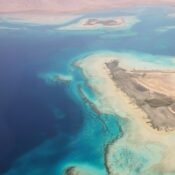
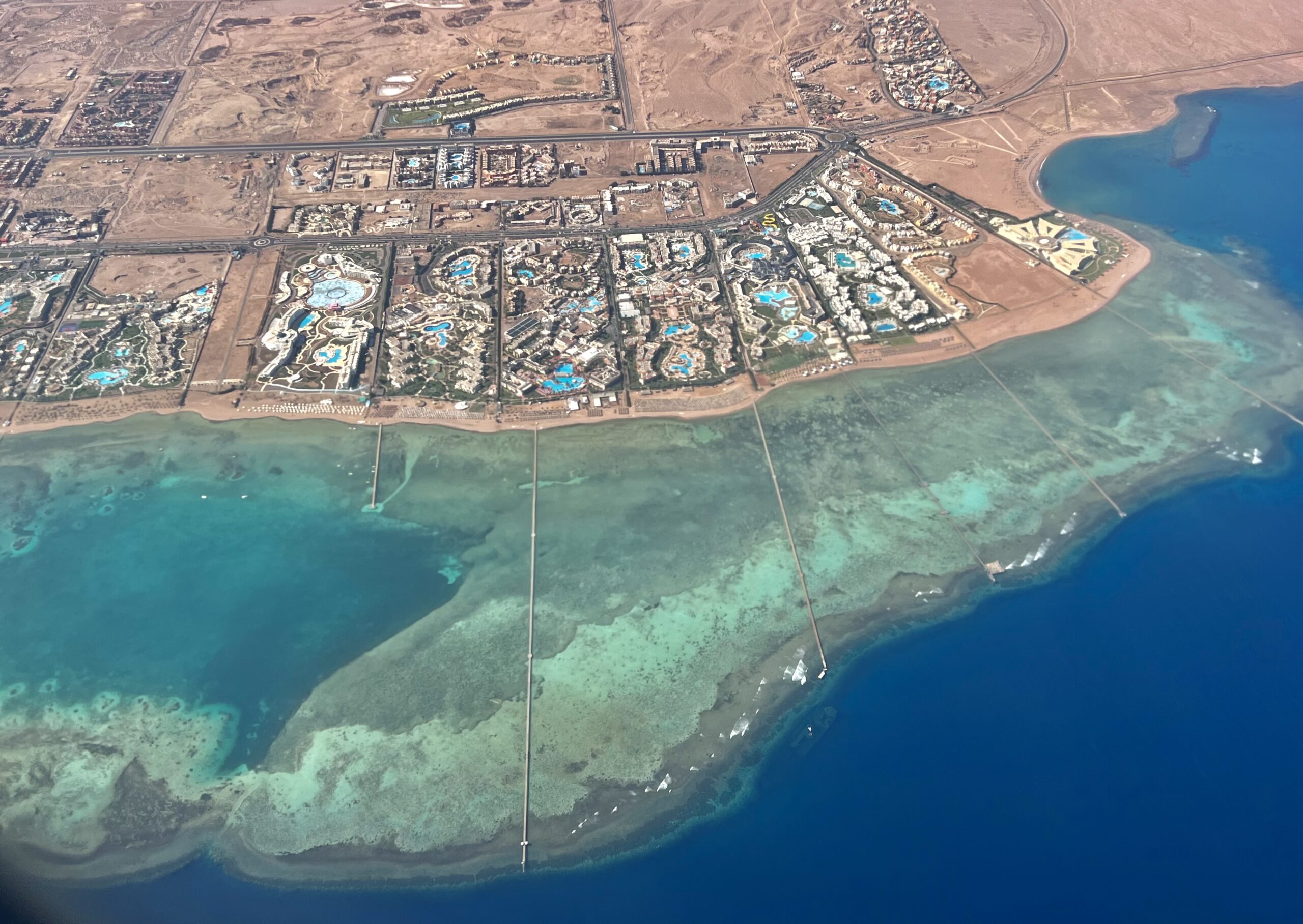
Jeddah’s unique position along the Red Sea coast gives it a distinctive climate that poses serious challenges for cold storage facilities. With high humidity, elevated temperatures throughout much of the year, and sudden shifts due to coastal weather patterns, maintaining cold room stability becomes a top priority for businesses handling perishable goods. This makes temperature mapping studies and expert environmental monitoring essential to safeguard products and ensure compliance with quality standards.
Understanding Jeddah’s Climate and Its Effects
Jeddah experiences a hot desert climate influenced heavily by the nearby Red Sea. Summers can see daytime temperatures consistently above 40°C (104°F), while humidity levels often remain high due to moisture carried from the sea. Even in winter, nighttime temperatures rarely drop below 20°C (68°F). High humidity coupled with hot ambient conditions accelerates heat gain into cold rooms—leading to potential risks such as:
- Increased compressor load
- Higher energy consumption
- Difficulty maintaining stable setpoints
- Frost and condensation issues
- Uneven temperature zones within storage spaces
These climate-related pressures affect not only refrigeration equipment performance but also the quality and safety of stored products such as dairy, meat, pharmaceuticals, and fresh produce.
Why Temperature Mapping Is Essential
To combat these issues effectively, facilities in Jeddah must rely on comprehensive temperature mapping studies. Temperature mapping involves strategically placing sensors throughout a cold room to monitor temperature behavior over time. This reveals hot and cold spots, airflow problems, insulation failures, or improper rack positioning—issues that might otherwise go unnoticed.
A proper temperature mapping study helps facilities:
- Verify compliance with local and international storage standards (like HACCP, ISO, or WHO guidelines)
- Identify areas of risk due to uneven cooling or poor airflow
- Inform improvements in shelving layout, insulation, and refrigeration settings
- Support corrective actions before spoilage or non-compliance incidents occur
In an environment like Jeddah—where external heat loads are high and external humidity can infiltrate sealed spaces—temperature mapping becomes more than a best practice; it’s a necessity.
Cold Room Challenges in Red Sea Conditions
The Red Sea climate intensifies a few core environmental difficulties:
1. Sustained Heat Load
Ambient temperatures in Jeddah place a continuous demand on refrigeration systems. The higher the outside temperature, the harder compressors must work to maintain internal setpoints. Over time, this increases wear and tear and raises energy costs.
2. High Humidity Infiltration
Moisture entering the cold room through doors, loading docks, or poor insulation can lead to:
- Frost buildup
- Corroded shelving and infrastructure
- Unstable thermal zones
Temperature mapping helps pinpoint where humidity impacts temperatures the most—which in turn enables targeted insulation or door-seal upgrades.
3. Internal Heat Sources
Operations within the facility—like frequent door openings, lighting, and equipment—add to internal heat loads. A comprehensive temperature mapping study highlights how these internal factors contribute to temperature inconsistencies.
Benefits of Expert Cold Room Monitoring and Mapping
Conducting periodic temperature mapping studies doesn’t just fulfill regulatory expectations—it actively protects your products, operators, and bottom line. Some benefits include:
- Reduced product loss
- Optimized refrigeration efficiency
- Improved energy usage
- Enhanced audit readiness
- Better planning for seasonal climate shifts
In a region where environmental conditions can quickly change, having reliable data from mapping studies allows facility managers to stay proactive rather than reactive.
Eximia360 – Your Cold Storage Partner in Saudi Arabia
At Eximia360, we specialize in temperature mapping, cold room stability analysis, and environmental control solutions across Saudi Arabia, including Jeddah, Dammam, and Riyadh. Our deep understanding of local climate impacts—from the intense coastal heat of the Red Sea to inland temperature variations—allows us to deliver tailored solutions that align with global standards.
Whether you operate food processing plants, pharmaceutical warehouses, or cold chain logistics hubs, our temperature mapping services help you maintain the highest quality and compliance levels while optimizing operational efficiency.
Visit www.Eximia360.com today to learn how our expert team can help you master cold room performance in challenging climates.