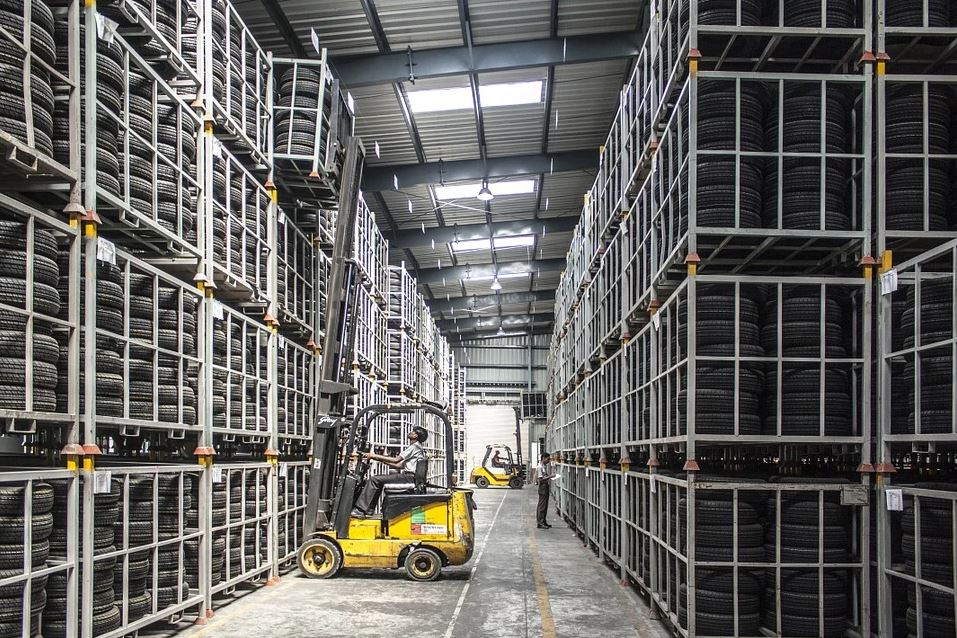
In industrial cities like Riyadh, warehouse facilities often operate under extreme climatic conditions, especially during the long summer season when temperatures can easily exceed 40°C. High-ceiling warehouses, while ideal for maximizing storage capacity, are particularly vulnerable to heat stratification — a phenomenon where hot air rises and accumulates near the ceiling, creating dangerous temperature variations within the same storage space. This is where a professional temperature mapping study becomes not just important, but essential.
Heat stratification occurs when warm air naturally rises and becomes trapped in upper zones of the warehouse. In facilities with ceilings exceeding 8 to 12 meters, the temperature difference between floor level and ceiling level can be significant. Without a detailed temperature mapping study, these variations remain invisible, posing serious risks to temperature-sensitive goods, equipment, and compliance standards.
A comprehensive temperature mapping study identifies temperature gradients across vertical and horizontal zones within the warehouse. In high-ceiling facilities in Riyadh, it is common to record temperatures above 40°C at higher elevations, even when ground-level readings appear compliant. This hidden heat accumulation can damage pharmaceuticals, food products, chemicals, electronics, and other sensitive inventory.
In addition to product damage, uneven temperature distribution increases energy consumption. Cooling systems may operate continuously to maintain lower-level temperatures, while upper zones remain overheated. A structured temperature mapping study helps identify these inefficiencies and provides data-driven recommendations such as destratification fans, improved insulation, HVAC recalibration, or air circulation redesign.
The importance of a temperature mapping study becomes even more critical in regulated industries. Warehouses storing medical supplies or food products must comply with regulatory requirements that demand documented environmental monitoring. A professional temperature mapping study provides validated data that supports audits, inspections, and quality assurance processes.
Beyond Riyadh, similar challenges exist across Saudi Arabia, particularly in coastal cities like Jeddah and industrial hubs like Dammam. In Jeddah, high humidity combined with elevated heat intensifies thermal stress within warehouses. In Dammam, industrial operations and coastal climate factors further amplify temperature fluctuations. In all these cities, a detailed temperature mapping study ensures that warehouse environments remain stable, compliant, and safe.
A typical temperature mapping study involves placing calibrated data loggers at multiple heights and storage points, including upper racks where heat stratification is most severe. The study runs continuously for a defined period, capturing real-time temperature fluctuations during peak summer heat. This scientific approach provides a clear thermal profile of the entire facility rather than relying on single-point measurements.
One of the hidden risks above 40°C is product degradation that may not be immediately visible. Heat-sensitive materials can lose potency, spoil, or become unsafe long before visible signs appear. Without a temperature mapping study, businesses may remain unaware of these risks until financial losses occur.
Moreover, employee safety is another concern. Excessive heat accumulation in upper working zones can create unsafe conditions for staff involved in inventory handling or maintenance. A temperature mapping study helps management understand heat exposure levels and implement appropriate mitigation strategies.
At Eximia360, we specialize in professional temperature mapping study services across Saudi Arabia, including Riyadh, Jeddah, and Dammam. Our team uses advanced monitoring equipment and internationally recognized validation protocols to deliver accurate, reliable environmental data. Whether your warehouse stores pharmaceuticals, FMCG products, chemicals, or industrial materials, our temperature mapping study services help you detect hidden heat stratification risks before they become costly problems.
We provide complete documentation, detailed thermal analysis reports, and corrective action recommendations tailored to each facility. Our goal is to ensure regulatory compliance, operational efficiency, and product integrity in every project we handle.
If your high-ceiling warehouse operates in temperatures approaching or exceeding 40°C, a professional temperature mapping study is not optional — it is a critical risk management tool. Contact Eximia360 today or visit www.Eximia360.com to learn how our temperature mapping study services in Saudi Arabia, Jeddah, Dammam, and Riyadh can protect your inventory, improve compliance, and optimize warehouse performance.