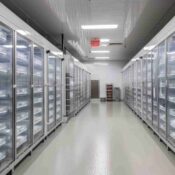

Cold rooms play a critical role in preserving temperature-sensitive products across many industries, particularly in pharmaceuticals, food storage, biotechnology, and logistics. In a country like Saudi Arabia, where external temperatures can rise dramatically, maintaining stable cold room conditions is essential for product safety and regulatory compliance. However, unexpected power failures can pose serious risks to temperature-controlled environments. This is where a temperature mapping study becomes extremely important, especially when assessing temperature recovery time after a power outage.
A temperature mapping study is a scientific method used to evaluate and document how temperature behaves inside a controlled environment over time. In cold rooms, this study helps identify temperature variations across different storage zones and evaluates how quickly the environment can recover after disruptions such as power failures. Understanding the temperature recovery time through a temperature mapping study is crucial for maintaining product stability and ensuring compliance with international storage standards.
In Saudi Arabia, cold rooms are widely used in cities such as Jeddah, Riyadh, and Dammam, where logistics and pharmaceutical distribution are rapidly expanding. Due to the region’s extreme heat, even a short power interruption can cause significant temperature increases inside cold storage facilities. A professional temperature mapping study helps organizations analyze how quickly temperatures rise during a power failure and how efficiently the cooling system restores the required temperature once power returns.
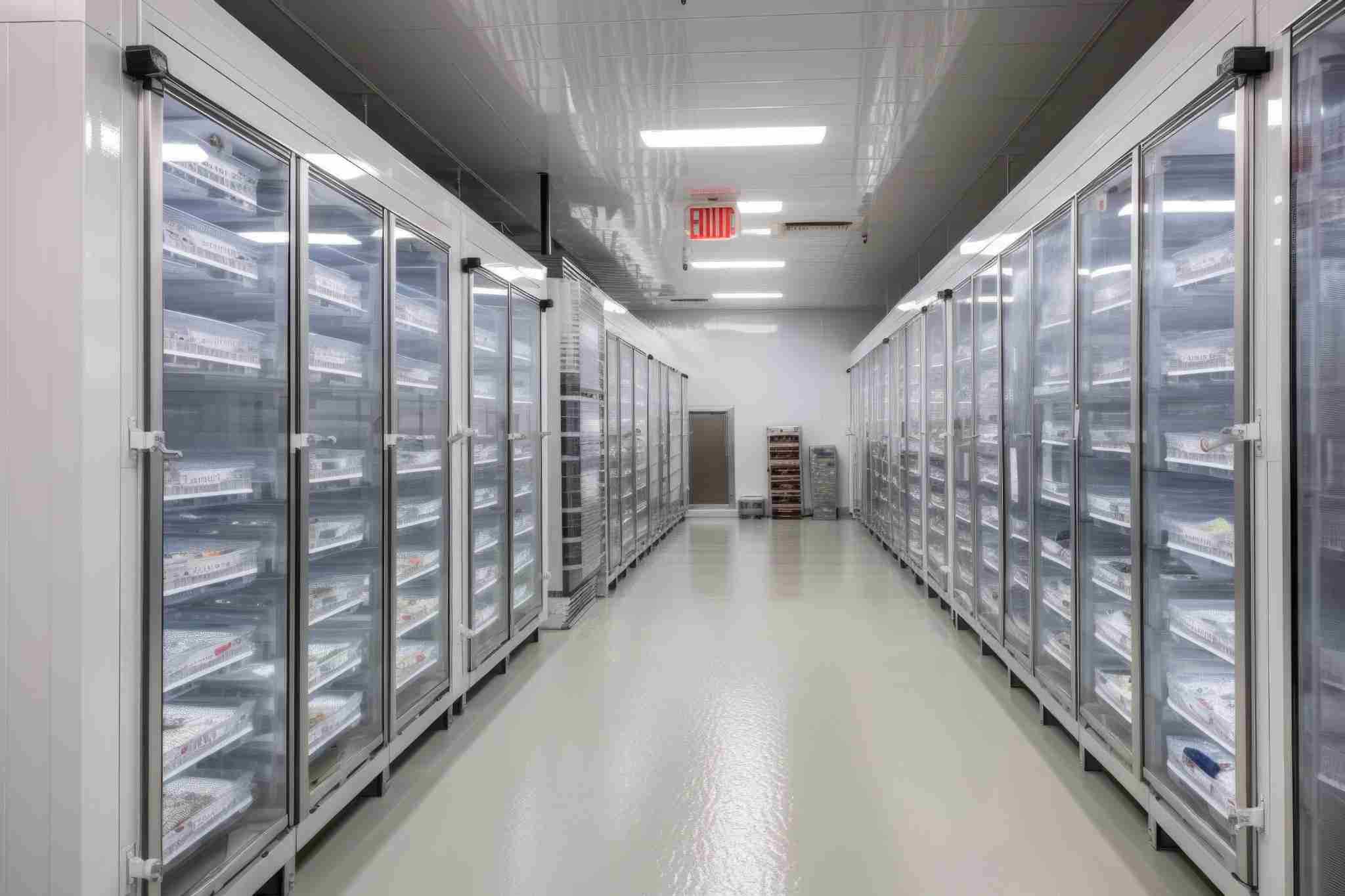
During a temperature mapping study, calibrated data loggers are strategically placed throughout the cold room to monitor temperature changes continuously. These sensors are installed at various critical points including near doors, corners, storage racks, ceiling areas, and central zones. By conducting a detailed temperature mapping study, technicians can capture accurate data on how temperature behaves during a simulated or actual power outage.
One of the main objectives of a temperature mapping study in cold rooms is to determine the temperature recovery time. This refers to the time required for the cold room to return to its validated temperature range after the refrigeration system resumes operation. The temperature mapping study records temperature changes second by second, allowing experts to evaluate how efficiently the cooling system restores safe storage conditions.
A temperature mapping study also helps identify temperature hotspots that may warm up faster during a power interruption. Certain areas inside cold rooms, especially near doors or poorly insulated sections, may experience faster temperature increases. Without conducting a proper temperature mapping study, these vulnerable areas might remain undetected, potentially putting stored products at risk.
Another important benefit of a temperature mapping study is improving risk management strategies. When facility managers understand the temperature recovery time and heat gain patterns of their cold rooms, they can develop better contingency plans for power failures. For example, they may adjust product placement, improve insulation, or upgrade backup power systems based on the insights gained from a temperature mapping study.
In regulated industries such as pharmaceuticals and food distribution, regulatory authorities often require documented evidence that storage conditions remain within approved limits. A validated temperature mapping study provides detailed data that demonstrates the facility’s ability to maintain proper storage conditions even during unexpected disruptions. This documentation plays a key role in audits, compliance inspections, and quality assurance processes.
Environmental factors also influence temperature recovery inside cold rooms in Saudi Arabia. High ambient temperatures outside the facility can increase heat infiltration when power systems fail. By conducting a detailed temperature mapping study, organizations can understand how external conditions impact internal cold room stability and identify the most vulnerable areas that require improved environmental control.
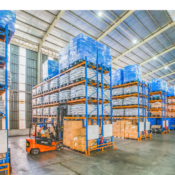
At Eximia360, we specialize in professional temperature mapping study services for cold rooms, warehouses, pharmaceutical storage areas, and logistics facilities. Our expert team uses advanced calibrated sensors and internationally recognized validation methods to conduct precise temperature mapping studies. Each project includes strategic sensor placement, continuous monitoring, in-depth data analysis, and comprehensive reporting.
Our temperature mapping study services are available across major logistics and pharmaceutical hubs in Saudi Arabia, including Jeddah, Dammam, and Riyadh. By conducting detailed temperature mapping studies, we help businesses understand temperature recovery behavior, identify risks, and maintain reliable environmental control for temperature-sensitive products.
As cold storage infrastructure continues to expand across Saudi Arabia, understanding temperature behavior during power failures is becoming increasingly important. A well-executed temperature mapping study provides the critical data needed to evaluate temperature recovery time, protect valuable inventory, and ensure compliance with international storage regulations.
To learn more about professional temperature mapping study services for cold rooms and temperature-controlled facilities across Saudi Arabia, Jeddah, Dammam, and Riyadh, visit www.Eximia360.com and discover how Eximia360 helps organizations achieve accurate environmental validation through advanced temperature mapping studies.