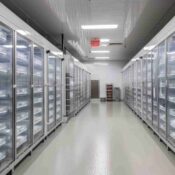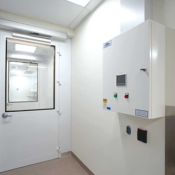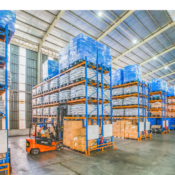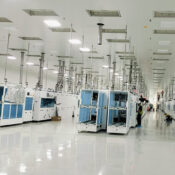


Large distribution centers play a vital role in modern supply chains, especially in fast-growing logistics hubs such as Jeddah. These facilities store and distribute a wide range of sensitive products including pharmaceuticals, food items, electronics, and cosmetics. While many warehouse managers focus on maintaining a general temperature range across the facility, the reality is far more complex. Inside large warehouses, multiple micro-climates can form due to structural design, airflow patterns, equipment heat, and operational activities. This is where a temperature mapping study becomes essential.
A temperature mapping study is a scientific process used to measure and analyze temperature distribution within a storage environment over a specific period. In large distribution centers, especially those located in coastal regions like Jeddah, temperature fluctuations can occur in different zones of the warehouse. Without a detailed temperature mapping study, these variations may remain hidden, potentially affecting product stability and compliance.
Jeddah’s climate presents unique challenges for distribution centers. As a coastal city in Saudi Arabia, the region experiences high humidity levels along with intense heat during the summer months. These external conditions can significantly influence internal warehouse environments. A comprehensive temperature mapping study helps identify how external weather conditions impact internal storage zones and reveals hidden hot or cold spots that may compromise product quality.
One of the most common causes of micro-climate variations in distribution centers is uneven airflow. Large warehouses typically rely on HVAC systems to maintain controlled environments. However, poor air circulation, blocked vents, or uneven equipment placement can create temperature pockets. A professional temperature mapping study uses calibrated data loggers placed throughout the facility—near entrances, shelving units, corners, ceilings, and loading docks—to capture detailed temperature data across multiple zones.
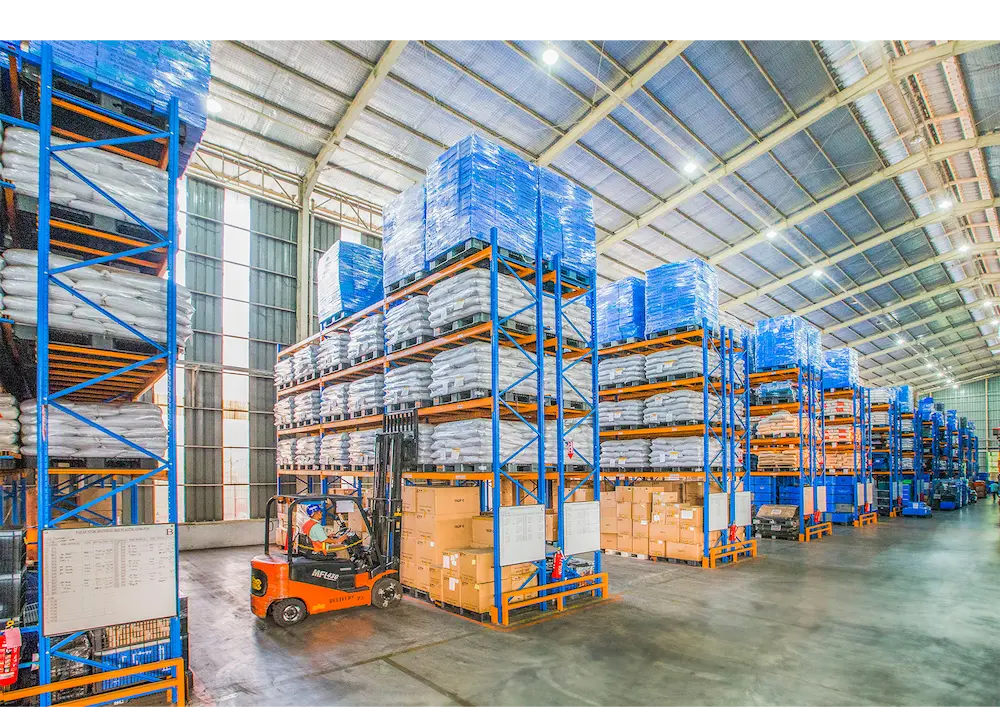
Another important factor revealed during a temperature mapping study is the effect of warehouse layout. Tall storage racks, dense product stacking, and machinery can obstruct airflow and cause heat accumulation. For example, the upper sections of high-ceiling warehouses often experience higher temperatures due to heat stratification. A temperature mapping study measures these vertical temperature differences and helps facility managers redesign airflow systems to maintain consistent conditions.
Operational activities also influence micro-climate conditions. Frequent opening of loading bay doors, forklift movement, and lighting systems generate localized temperature changes. During a temperature mapping study, sensors continuously record temperature readings during real operational cycles. This allows analysts to observe how daily warehouse activities influence temperature stability.
In industries such as pharmaceuticals and food logistics, even small temperature deviations can have serious consequences. Regulatory authorities require documented environmental validation to ensure products remain within safe storage limits. A validated temperature mapping study provides scientific evidence that the warehouse environment consistently maintains the required temperature range.
Another benefit of a temperature mapping study is the ability to optimize energy efficiency. By identifying areas where cooling systems work harder than necessary, facility managers can adjust HVAC performance and airflow design. This not only improves product safety but also reduces operational energy costs.
Large distribution networks across Saudi Arabia are increasingly adopting temperature mapping studies as part of their quality management systems. In cities such as Jeddah, Dammam, and Riyadh, logistics facilities must adapt to different environmental conditions while maintaining consistent storage standards. Regular temperature mapping studies ensure that warehouses remain compliant with international storage guidelines and local regulatory requirements.
At Eximia360, we specialize in advanced temperature mapping study services for warehouses, cold rooms, pharmaceutical storage facilities, and logistics centers. Our expert team conducts detailed temperature mapping studies using high-precision calibrated sensors and internationally recognized methodologies. Each temperature mapping study includes strategic sensor placement, continuous monitoring, data analysis, and comprehensive reporting.
Our services are available across major logistics hubs in Saudi Arabia, including Jeddah, Dammam, and Riyadh. By conducting a professional temperature mapping study, we help organizations identify hidden micro-climate variations, improve environmental control, and maintain product stability throughout their storage operations.
As distribution centers continue to expand in size and complexity, understanding micro-climate variations is becoming increasingly important. A well-executed temperature mapping study provides the critical insights needed to maintain uniform storage conditions, ensure regulatory compliance, and protect valuable inventory.
To learn more about professional temperature mapping study services for distribution centers and warehouses across Saudi Arabia, visit www.Eximia360.com and discover how Eximia360 helps businesses achieve reliable environmental control through precise temperature mapping studies