Pharmaceutical storage facilities in Dammam face unique environmental challenges due to their coastal location. High humidity levels, elevated summer temperatures, and saline air conditions create a complex storage environment that demands precise environmental control. In such conditions, conducting a professional temperature mapping study is not just a regulatory requirement but a critical operational necessity.
Dammam’s coastal climate significantly impacts pharmaceutical storage stability. Unlike inland cities, coastal regions experience fluctuating humidity combined with heat that can easily exceed 40°C during peak summer months. These external environmental factors infiltrate storage facilities through loading bays, door openings, and structural gaps. Without a comprehensive temperature mapping study, these hidden temperature variations often go undetected.
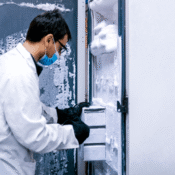
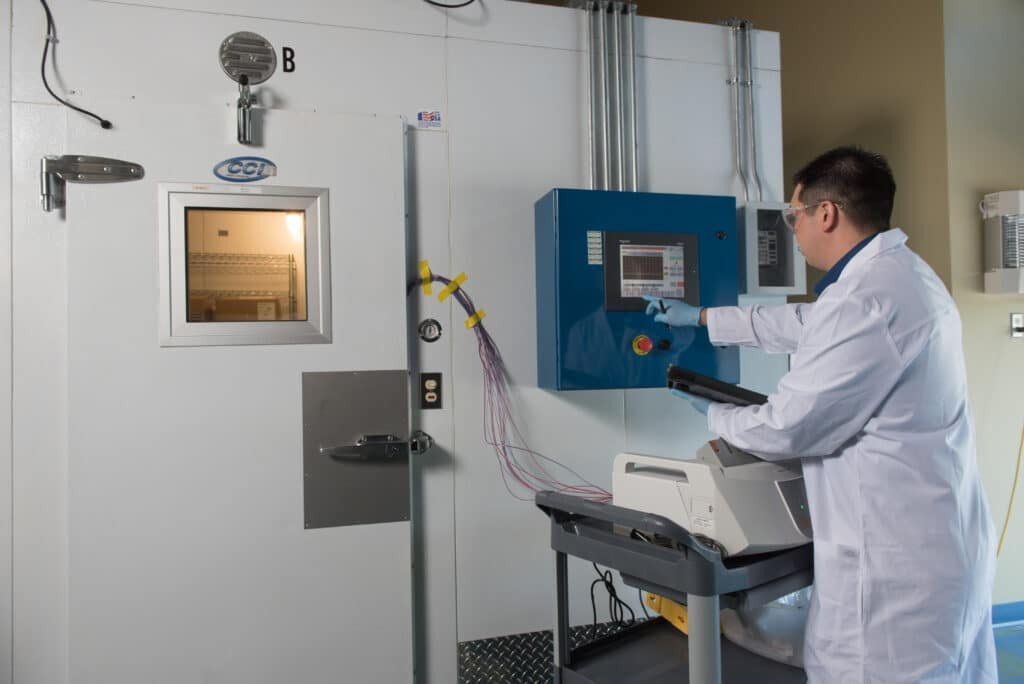
A temperature mapping study provides a detailed thermal profile of the storage area by placing calibrated data loggers at multiple strategic points. In coastal pharmaceutical stores, temperature mapping study results often reveal microclimates—localized areas where temperature and humidity exceed acceptable pharmaceutical storage limits. These variations can occur near doors, upper racks, corners, and even within densely packed shelving systems.
Humidity is one of the biggest challenges in Dammam. High moisture content in the air increases the risk of condensation, which can compromise packaging integrity and reduce product shelf life. While temperature monitoring is common, only a complete temperature mapping study identifies how humidity and temperature interact across different storage zones. This combined analysis ensures compliance with Good Distribution Practice (GDP) and regulatory standards.
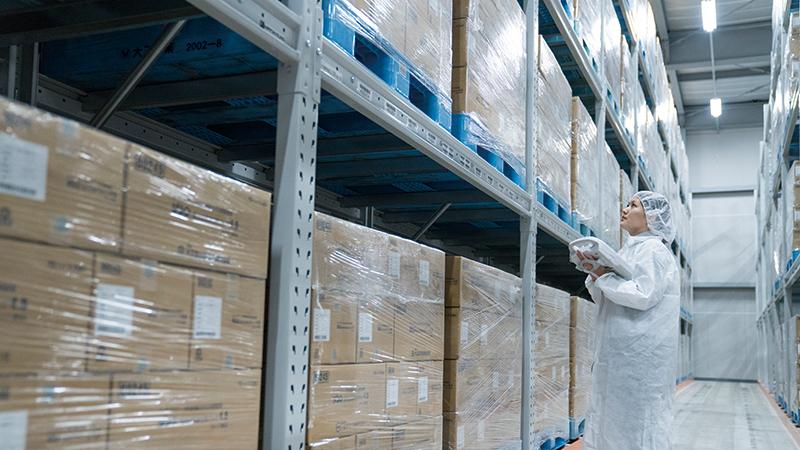
Pharmaceutical products are highly sensitive to temperature deviations. Even minor fluctuations outside specified ranges can reduce drug potency, alter chemical composition, or shorten expiration periods. A scientifically executed temperature mapping study ensures that all storage zones consistently maintain the required 15–25°C or 2–8°C conditions, depending on product classification.
Coastal warehouses also face operational challenges such as frequent door openings for distribution activities. Each opening allows hot, humid air to enter, creating temporary but impactful temperature spikes. A professional temperature mapping study captures these fluctuations over time, helping facility managers understand peak stress periods and design corrective strategies.
In many pharmaceutical stores, reliance on single-point temperature sensors gives a false sense of security. However, a temperature mapping study often reveals that while one sensor indicates compliance, other sections of the store may exceed acceptable thresholds. This is particularly common in high shelving systems where warm air accumulates.
Beyond Dammam, similar challenges are present across Saudi Arabia, especially in cities such as Jeddah and Riyadh. In Jeddah, high humidity intensifies the need for detailed temperature mapping study procedures, while in Riyadh, extreme dry heat creates different but equally critical thermal management challenges. Regardless of location, a temperature mapping study remains the foundation of compliant pharmaceutical storage.
A comprehensive temperature mapping study typically runs for a minimum of 7 to 14 days, covering operational cycles and peak climate conditions. Data collected during the study provides a complete visualization of thermal behavior across vertical and horizontal planes. This information allows businesses to optimize HVAC systems, improve insulation, install air curtains, or redesign storage layouts.
Another critical aspect of a temperature mapping study in coastal regions is seasonal comparison. Conducting both summer and winter temperature mapping study assessments ensures that facilities remain compliant year-round. Coastal weather shifts may appear subtle, but even minor seasonal variations can impact pharmaceutical stability.
At Eximia360, we specialize in conducting advanced temperature mapping study services tailored to pharmaceutical storage facilities. We provide services across Saudi Arabia, including Dammam, Jeddah, and Riyadh. Our team uses calibrated equipment, validated protocols, and industry-compliant methodologies to deliver accurate environmental data that supports regulatory inspections and internal quality audits.
Our temperature mapping study reports include risk analysis, graphical temperature distribution charts, and actionable recommendations to correct any detected deviations. Whether you operate a wholesale pharmaceutical warehouse, hospital pharmacy store, or distribution center, Eximia360 ensures your facility meets both national and international compliance standards.
In coastal pharmaceutical stores of Dammam, environmental risks are constant and often invisible. A professionally conducted temperature mapping study transforms these hidden risks into measurable data, empowering businesses to protect product integrity, ensure patient safety, and maintain regulatory compliance.
For expert temperature mapping study services in Saudi Arabia, Jeddah, Dammam, and Riyadh, visit www.Eximia360.com and partner with Eximia360 to safeguard your pharmaceutical storage environment with precision and confidence.