

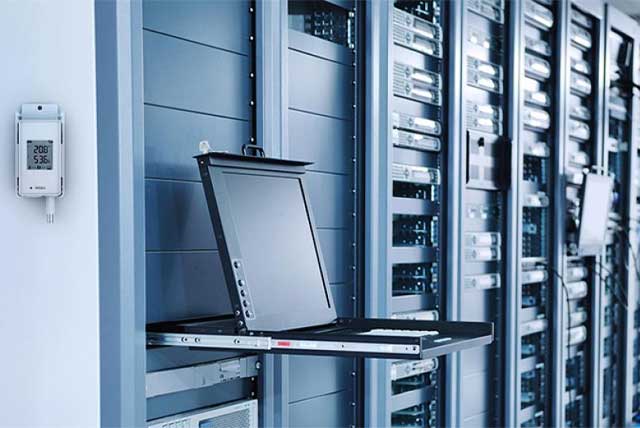
In today’s digital age, data centers serve as the backbone of business operations, cloud services, and government systems across Saudi Arabia. From financial transactions to healthcare records and e-commerce platforms, every digital process relies on continuous server uptime and stable environmental conditions. As cities like Riyadh continue to expand their tech infrastructure, maintaining optimal temperatures inside data centers has become more crucial than ever. This is where temperature mapping study plays a vital role in safeguarding sensitive IT equipment from heat stress and operational failures.
At Eximia360 (www.Eximia360.com), we provide specialized temperature mapping study services across Saudi Arabia, Jeddah, Dammam, and Riyadh, ensuring data centers maintain peak performance and remain fully protected against environmental risks.
Why Temperature Mapping Study is Essential for Data Centers
Data centers generate enormous heat due to continuous server activity, dense rack arrangements, and 24/7 operations. A minor temperature increase, even for a short duration, can trigger:
- Hardware overheating
- System slowdowns
- Component degradation
- Unexpected shutdowns
- Costly downtime and data loss
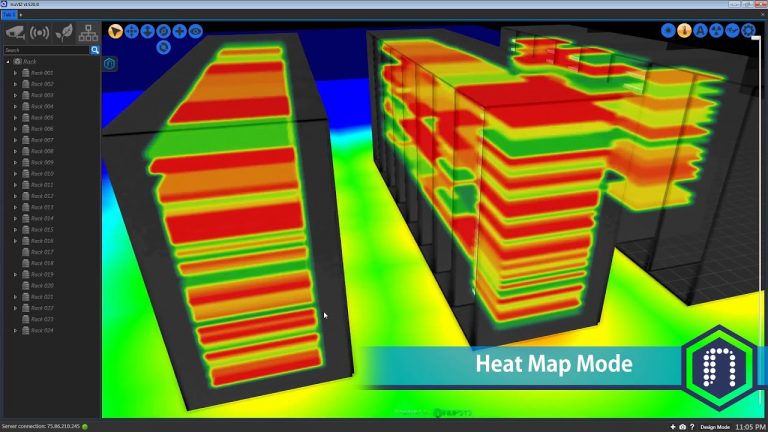
A temperature mapping study identifies temperature variations inside the facility, helping operators maintain ideal cooling efficiency and prevent thermal hotspots that silently threaten critical equipment.
Understanding Thermal Behavior Inside Data Centers
Data centers in Riyadh face added challenges due to the region’s extreme climate. Summer temperatures can exceed 45°C, increasing pressure on the cooling and HVAC systems. Through a detailed temperature mapping study, facility managers can evaluate:
- Hot and cold aisles efficiency
- Rack-level temperature variations
- Impact of airflow blockages
- CRAC/CRAH unit performance
- Equipment heat load distribution
- Influence of external weather conditions
These insights help determine whether the current cooling system can handle actual operational demands or if modifications are required.
How Temperature Mapping Study Works in Data Centers
A structured temperature mapping study involves several key steps that ensure scientific accuracy and reliable results:
1. Sensor Placement Strategy
Sensors are placed throughout server racks, aisles, and corners based on engineering principles. This ensures every potential risk zone is monitored.
2. Data Collection Over 7–14 Days
Data centers undergo continuous monitoring to capture all temperature fluctuations, including peak load hours.
3. Analysis of Hotspots and Airflow Gaps
Collected data is analyzed to identify hidden hotspots and airflow disruptions that are not visible to the naked eye.
4. Actionable Recommendations
Eximia360 provides detailed reports recommending improvements in airflow design, equipment arrangement, and cooling system performance.
5. Validation & Continuous Monitoring
Once improvements are implemented, follow-up mapping studies verify temperature uniformity and equipment safety.
Benefits of Temperature Mapping for Data Centers
1. Preventing Downtime
A single hour of downtime can cost businesses thousands or even millions. Mapping helps eliminate risks before failures occur.
2. Improved Cooling Efficiency
Understanding temperature distribution allows optimization of CRAC systems, reducing cooling workload while maintaining stability.
3. Reduced Energy Costs
Data centers in Jeddah, Dammam, and Riyadh often overspend on cooling to compensate for unknown hotspots. Mapping reveals the real cooling needs, lowering energy bills.
4. Protecting Hardware Investment
Servers, switches, and storage devices are extremely expensive. Mapping prevents heat-induced damage and extends equipment life.
5. Compliance & Performance Assurance
Temperature mapping study helps meet global standards such as ASHRAE, ISO, and data center environmental guidelines.
Why Choose Eximia360 for Data Center Mapping?
At Eximia360 (www.Eximia360.com), we deliver advanced temperature mapping study solutions designed specifically for data-heavy environments. Our services across Saudi Arabia, Jeddah, Dammam, and Riyadh ensure:
- Accurate thermal risk identification
- Scientific sensor placement
- Detailed analytical reports
- Cooling optimization strategies
- Compliance with global best practices
Our expertise ensures your data center remains operational, efficient, and protected from heat stress—no matter how extreme the climate outside.