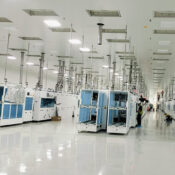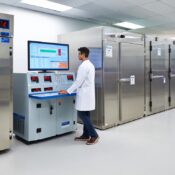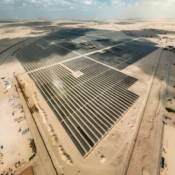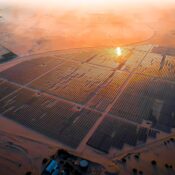

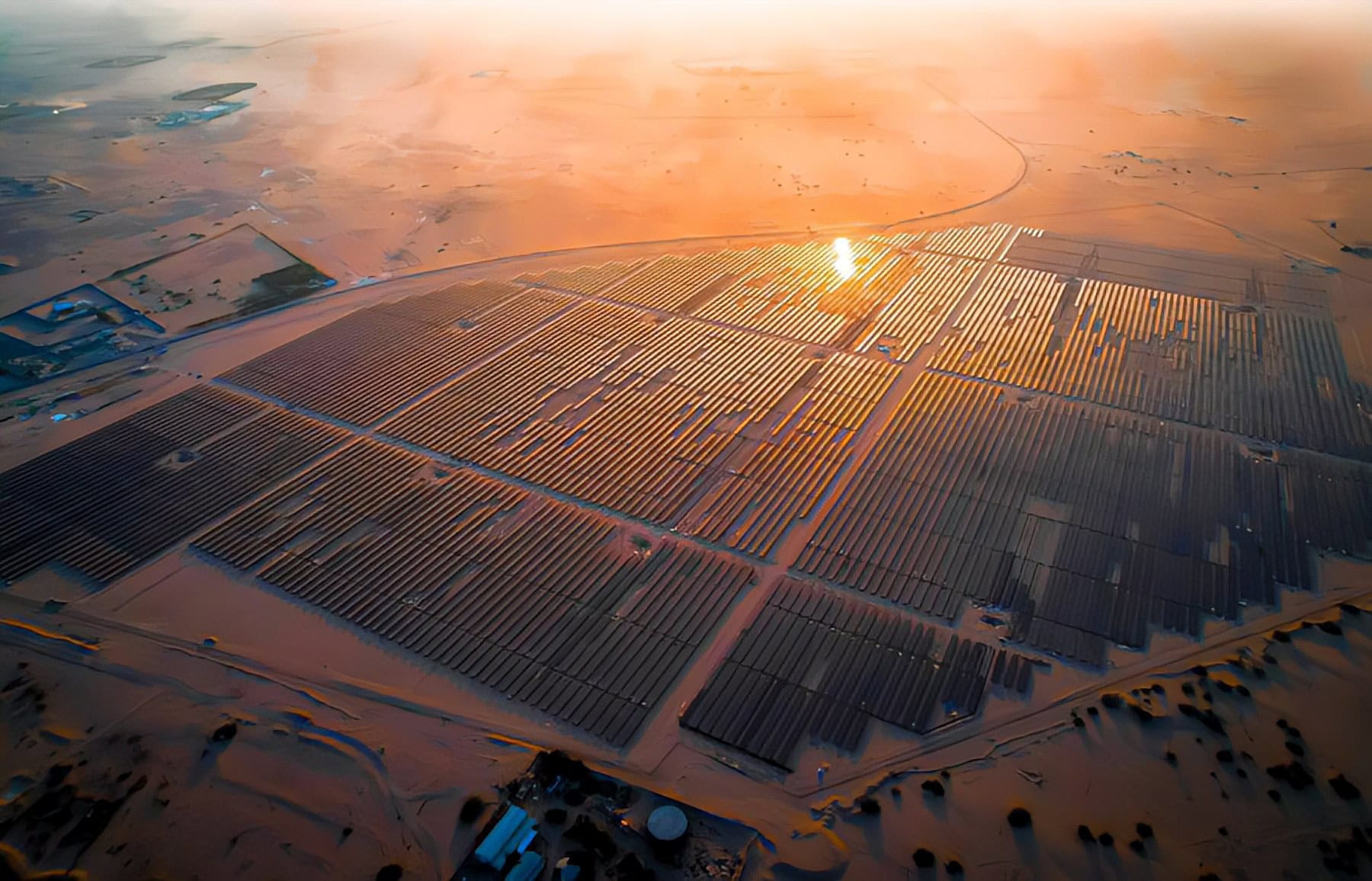
As sustainability initiatives expand across Riyadh, many industrial facilities are transitioning to solar-powered warehouses to reduce operational costs and carbon emissions. While solar energy offers significant environmental and financial benefits, it also introduces unique thermal management challenges. In such facilities, a comprehensive temperature mapping study becomes essential to ensure storage stability, regulatory compliance, and energy efficiency.
Solar-powered warehouses operate differently from conventional facilities. Energy production fluctuates based on sunlight availability, peak load times, and seasonal variations. These fluctuations can influence HVAC performance, especially during extreme summer conditions when temperatures in Riyadh often exceed 45°C. Without a detailed temperature mapping study, these internal variations may go unnoticed, potentially compromising stored goods.
A temperature mapping study in solar-powered warehouses evaluates how energy supply patterns interact with cooling systems. During peak sunlight hours, excess energy may enhance cooling efficiency, while late afternoon or nighttime periods may strain battery-backed systems. A well-designed temperature mapping study identifies these performance gaps and ensures temperature consistency across all storage zones.
In Riyadh’s industrial zones, high-ceiling warehouses often experience heat stratification, where warm air accumulates at upper levels. In solar-powered environments, this effect can intensify if airflow systems are not properly synchronized with solar energy cycles. A temperature mapping study detects vertical temperature gradients, helping engineers optimize airflow distribution and adjust HVAC calibration accordingly.
Moreover, solar panel installations on rooftops can alter heat absorption and roof surface temperatures. Although panels provide shade, they can also create localized heat pockets beneath roof structures. Through a temperature mapping study, these microclimate variations are measured and analyzed to prevent hidden hot spots that may affect sensitive inventory such as pharmaceuticals, food products, or electronics.
Battery storage systems—an integral part of solar-powered warehouses—also generate heat. If battery rooms are located near storage zones without adequate ventilation, they can influence surrounding temperatures. Conducting a temperature mapping study ensures these technical spaces do not impact regulated storage conditions.
A comprehensive temperature mapping study typically involves placing calibrated data loggers at strategic locations throughout the warehouse. These include corners, near loading docks, mid-shelf levels, upper racks, and areas close to solar inverters or battery units. Over a monitoring period of 7–14 days, the temperature mapping study captures real-time fluctuations under various operational scenarios, including peak solar generation and low-energy intervals.
Beyond compliance, temperature mapping studies in solar-powered warehouses support sustainability goals. By analyzing thermal data, facility managers can fine-tune HVAC schedules to align with peak solar output, reducing reliance on backup power sources. This integration improves energy efficiency and extends equipment lifespan.
While this topic focuses on Riyadh, solar-powered warehouses are expanding across Saudi Arabia, including major cities such as Jeddah and Dammam. In Jeddah, coastal humidity introduces additional cooling challenges that require a specialized temperature mapping study. In Dammam, saline air and high moisture levels can affect insulation performance, making temperature mapping studies equally critical. Across all regions, a temperature mapping study ensures that renewable energy adoption does not compromise storage integrity.
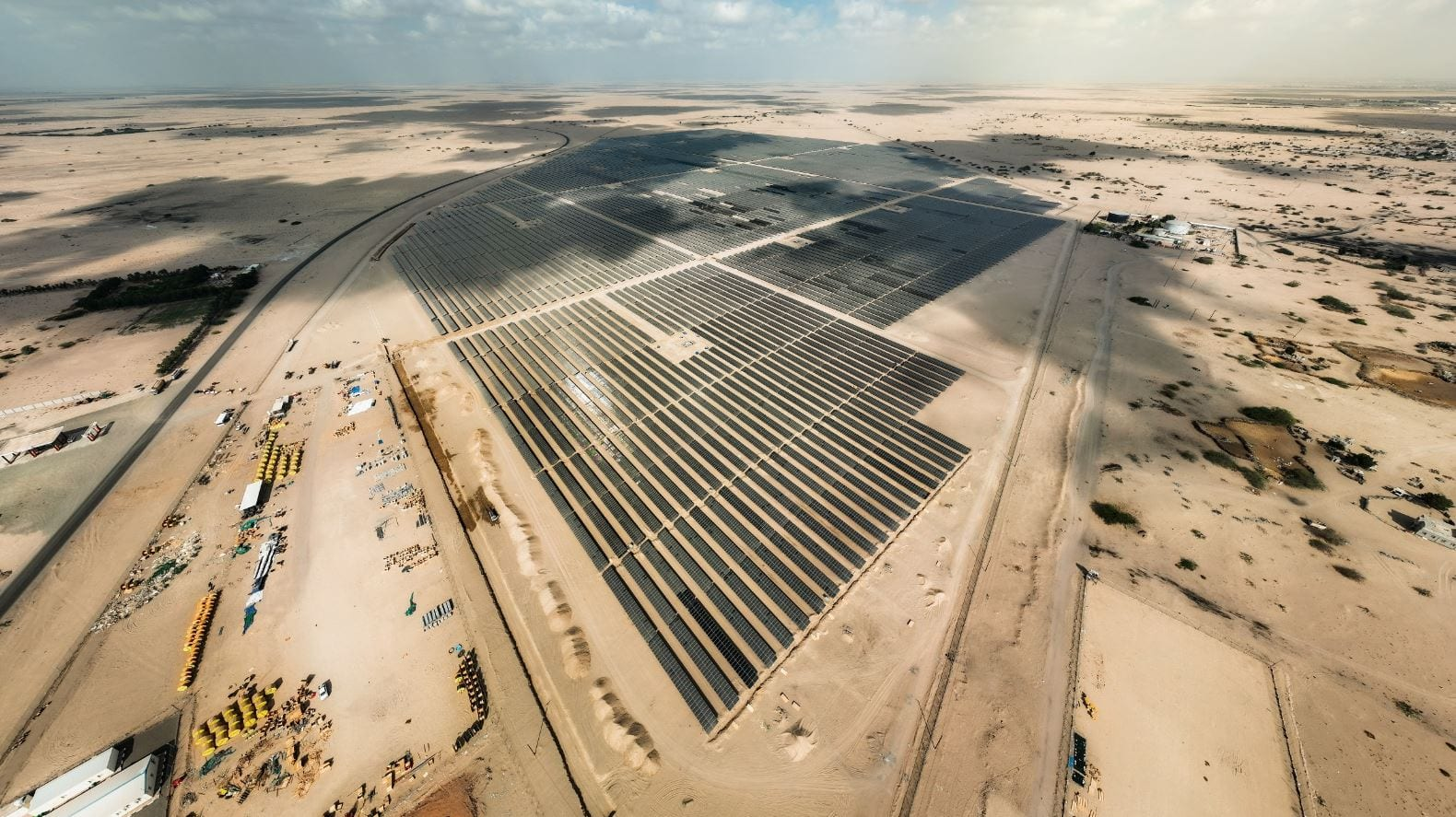
Regulatory bodies and quality standards require documented proof of environmental control, especially for pharmaceutical and food storage facilities. A validated temperature mapping study provides auditable reports demonstrating consistent temperature maintenance within specified ranges, even when energy systems rely on solar power.
At Eximia360, we specialize in conducting advanced temperature mapping studies tailored to solar-powered warehouses and industrial facilities. Our services cover all of Saudi Arabia, including Riyadh, Jeddah, and Dammam. Using high-precision calibrated sensors and internationally recognized protocols, we deliver accurate thermal assessments that support both compliance and sustainability objectives.
Our temperature mapping study reports include detailed heat distribution charts, risk analysis, performance evaluations of HVAC systems, and actionable recommendations. Whether you are launching a new solar-powered warehouse or upgrading an existing facility, Eximia360 ensures your temperature mapping study aligns with operational and regulatory requirements.
As renewable energy continues shaping the future of industrial infrastructure, temperature mapping studies remain a critical foundation for safe and efficient storage environments. To learn more about our services in Saudi Arabia, Riyadh, Jeddah, and Dammam, visit www.Eximia360.com and partner with Eximia360 to ensure precision, compliance, and sustainability in every temperature mapping study.