
Hospital storage facilities play a crucial role in maintaining the safety and effectiveness of medical supplies, pharmaceuticals, vaccines, and biological materials. In a rapidly developing healthcare hub like Riyadh, ensuring proper storage conditions is not just a best practice—it is a regulatory requirement. This is where a comprehensive temperature mapping study becomes essential for hospital environments.
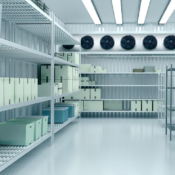
A temperature mapping study is a scientific process used to measure and analyze temperature distribution within a controlled storage area over a defined period. In hospital storage facilities, this includes areas such as pharmacies, cold rooms, vaccine refrigerators, and medical supply storage rooms. A properly conducted temperature mapping study ensures that all parts of these storage environments maintain consistent and compliant temperature ranges.
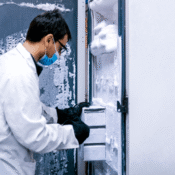
Hospitals store a wide variety of temperature-sensitive products, each with specific storage requirements. For example, vaccines typically require storage between 2°C and 8°C, while certain medications and biological samples may need colder or more tightly controlled conditions. A detailed temperature mapping study helps verify that these conditions are consistently maintained across all storage zones, preventing product degradation and ensuring patient safety.
In Saudi Arabia, environmental conditions can pose significant challenges to hospital storage systems. Cities like Riyadh experience extremely high temperatures, especially during the summer months. These external conditions can influence internal storage environments, particularly if insulation or HVAC systems are not optimized. A professional temperature mapping study identifies how external heat impacts internal storage areas and highlights potential risks.
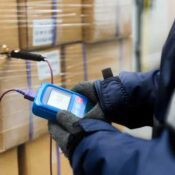
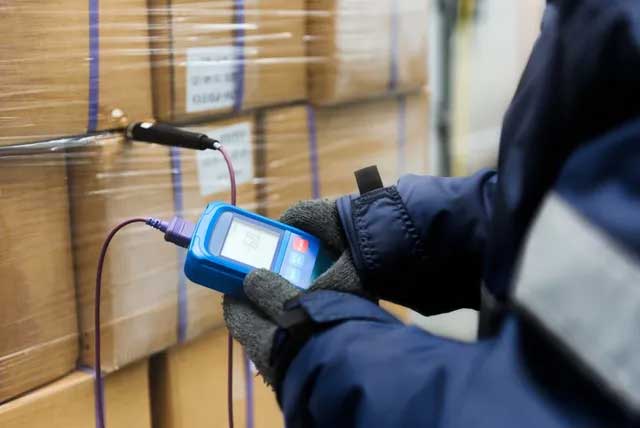
One of the key benefits of a temperature mapping study is the identification of temperature variations within storage units. Even in well-designed hospital storage areas, temperature may not be evenly distributed. Factors such as airflow patterns, equipment placement, door openings, and storage density can create hot or cold spots. Through a temperature mapping study, calibrated data loggers are placed at multiple locations to capture accurate temperature readings over time.
Another important aspect evaluated during a temperature mapping study is temperature stability during operational activities. Hospital storage facilities are highly active environments, with frequent access to stored items. Each time a refrigerator or cold room door is opened, there is a risk of temperature fluctuation. A temperature mapping study monitors these fluctuations and assesses how quickly the storage unit returns to the required temperature range.
Compliance with international healthcare standards is another critical reason for conducting a temperature mapping study. Regulatory guidelines such as Good Distribution Practices (GDP) and hospital accreditation requirements demand documented evidence of proper storage conditions. A validated temperature mapping study provides detailed reports, graphs, and data that demonstrate compliance during audits and inspections.
In addition to compliance, a temperature mapping study supports better operational efficiency. By identifying areas where temperature control systems are underperforming, hospital administrators can optimize HVAC systems, improve airflow design, and reduce energy consumption. This not only ensures product safety but also contributes to cost savings in hospital operations.
Hospital storage facilities in major cities such as Jeddah and Dammam also benefit from regular temperature mapping studies. While Jeddah’s coastal humidity presents additional challenges, Dammam’s environmental conditions require careful monitoring of both temperature and airflow. Across all these regions, a temperature mapping study ensures that hospital storage systems maintain consistent and reliable conditions.
At Eximia360, we specialize in providing advanced temperature mapping study services for hospital storage facilities, pharmaceutical warehouses, cold rooms, and healthcare environments. Our expert team uses high-precision calibrated sensors and internationally recognized validation protocols to conduct accurate temperature mapping studies.
Each temperature mapping study by Eximia360 includes strategic sensor placement, continuous monitoring over a defined period, detailed data analysis, and comprehensive reporting. Our reports provide actionable insights that help hospitals improve storage conditions, maintain compliance, and protect patient safety.
We proudly offer our temperature mapping study services across Saudi Arabia, including Riyadh, Jeddah, and Dammam. Our solutions are tailored to meet the unique requirements of hospital environments, ensuring reliable temperature control for critical medical supplies.
As healthcare systems continue to grow and evolve, maintaining proper storage conditions is more important than ever. A well-executed temperature mapping study provides the confidence that hospital storage facilities operate within safe and compliant temperature ranges.
To learn more about professional temperature mapping study services for hospital storage facilities in Saudi Arabia, Riyadh, Jeddah, and Dammam, visit www.Eximia360.com and discover how Eximia360 helps healthcare providers achieve precise environmental control through advanced temperature mapping studies.